TECHNO-SOCIAL-ECONOMIC IMPACT ANALYSIS FOR PROJECTS AND POLICIES
Techno-Social-Economic Impact Analysis is a multidisciplinary evaluation approach used to understand how a proposed project, policy, or program will affect technological systems, society, and the economy. This type of analysis is essential for evidence-based decision-making, ensuring that the benefits of a project or policy outweigh its potential negative consequences and that it aligns with sustainable development goals.
This analysis is commonly conducted in infrastructure development, energy systems, environmental management, health interventions, and social reform policies. It provides a holistic view that helps planners, governments, investors, and communities understand the broader implications of an intervention.
To assess the technological feasibility and efficiency of the project.
To evaluate social acceptance, equity, and community impacts.
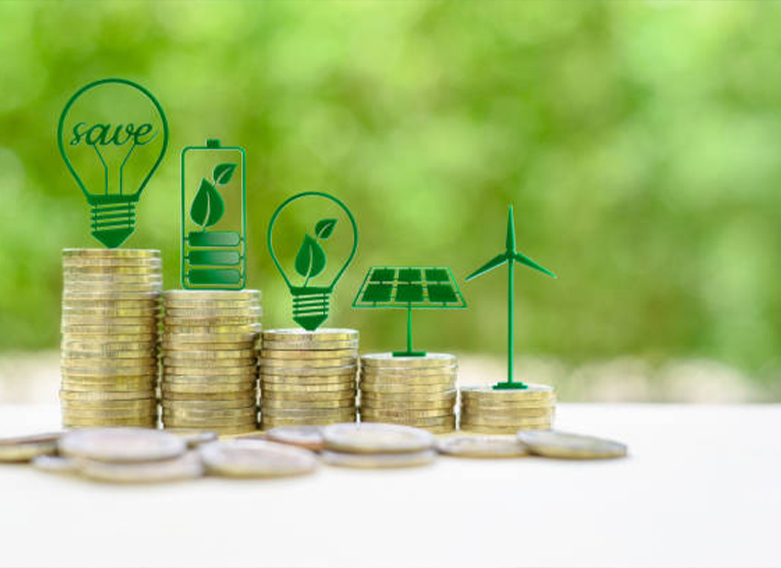
To determine the economic viability, cost-effectiveness, and return on investment.
TECHNO-SOCIAL-ECONOMIC IMPACT ANALYSIS FOR PROJECTS AND POLICIES
Techno-Social-Economic Impact Analysis (TSEIA) is a comprehensive framework used to evaluate the wide-ranging implications of proposed projects or policies across three critical domains:
Technological: Evaluating feasibility, efficiency, and innovation.
Social: Assessing human, cultural, equity, and community impacts.
Economic: Determining viability, cost-effectiveness, and long-term sustainability.
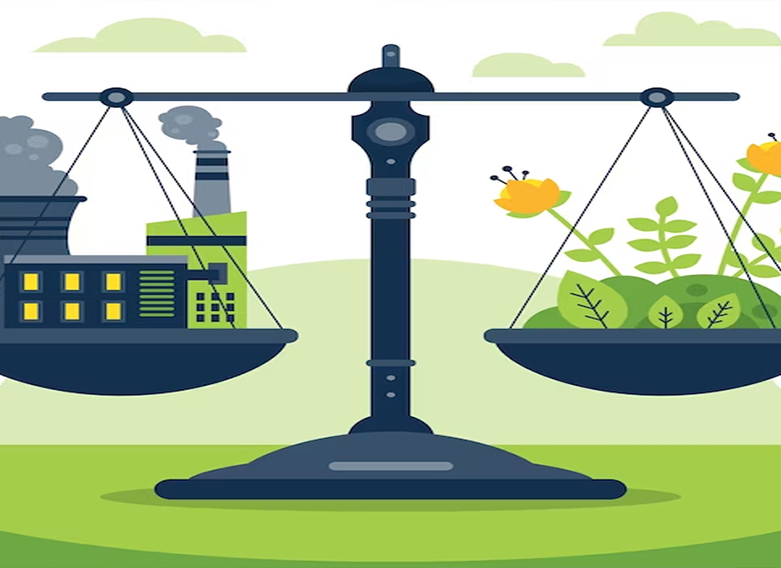
This multidisciplinary approach ensures that interventions—whether in infrastructure, energy, governance, environment, or digital transformation—are not only technically sound but also socially acceptable and economically viable. TSEIA helps decision-makers balance innovation with inclusion, growth with equity, and profitability with sustainability.
Importance in Modern Governance and Development
In the 21st century, most projects and public policies operate at the intersection of technology, society, and economy. For instance:
A smart city initiative involves data infrastructure (technology), public behavior and privacy (society), and investment models (economy).
A renewable energy project affects grid systems (technology), local communities and landowners (society), and electricity markets (economy).
Without TSEIA, projects risk being technically strong but socially resisted, or economically beneficial but environmentally damaging.
Domains of Impact Analysis
Technological Impact Analysis
Focuses on the design, adoption, performance, and scalability of technology involved in the project or policy.