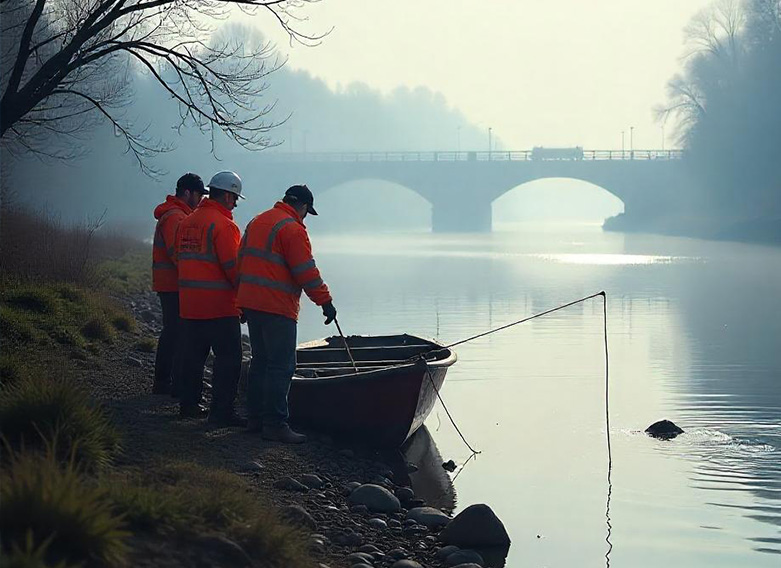
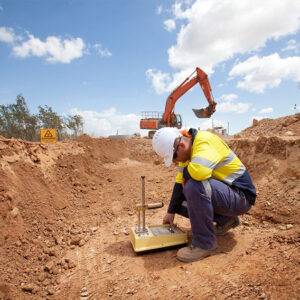
SURVEYS FOR PROJECT VIABILITY AND REQUIREMENTS FOR TURNKEY PROJECTS
Surveys play a crucial role in determining project viability and gathering requirements for turnkey projects, which are complete, ready-to-use solutions delivered to clients. Here’s a breakdown of the types of surveys typically used and the requirements analysis approach:
Online tools: Google Forms, Microsoft Forms, SurveyMonkey
In-person interviews and focus groups
Observation and site assessments
GIS tools for mapping and terrain analysis
Questionnaires tailored to stakeholder groups
These are designed to identify stakeholder expectations and technical specifications needed to deliver a turnkey solution.
Surveys for Project
Turnkey projects are comprehensive, all-inclusive solutions where a contractor is responsible for the design, development, execution, and delivery of a fully functional facility or system to the client. From construction projects and industrial plants to IT infrastructures, turnkey models are favored for their efficiency, accountability, and simplicity in management. However, the success of any turnkey project depends heavily on preliminary surveys that assess viability and identify requirements.
Surveys serve as a foundational step in project planning, enabling stakeholders to make informed decisions about feasibility, resource allocation, and execution strategies.
Types of Project Viability Surveys
Feasibility Survey
Purpose: Evaluate whether the project is practically and economically achievable.
Key Components:
Technical feasibility
Financial projections
Timeline estimation
Resource availability
Market Survey
Purpose: Understand demand, supply, competition, pricing, and customer behavior.
Key Elements:
Target customer demographics
Environmental Impact Assessment (EIA)
Purpose: Ensure compliance with environmental regulations and minimize ecological damage.