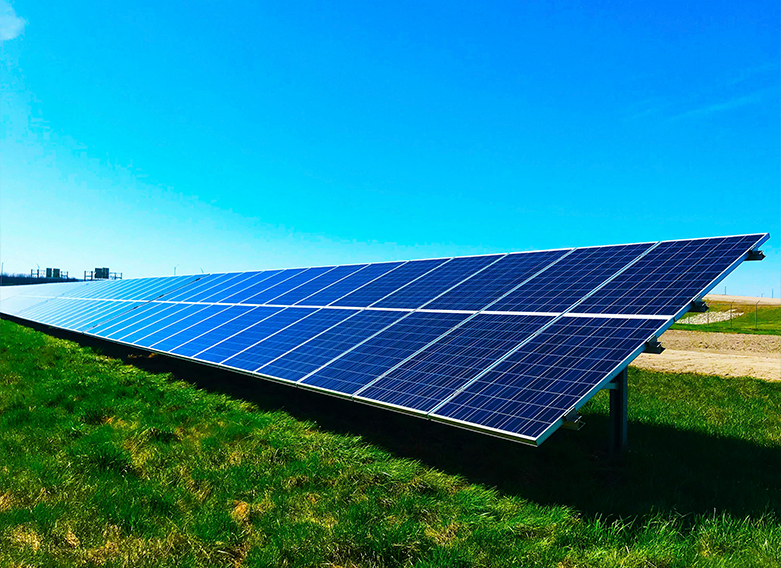
Solar energy systems are technologies that convert sunlight into usable energy—mainly electricity or heat. These systems are clean, renewable, and can power homes, businesses, industries, and remote locations with little to no environmental impact.
Key Components of a Solar PV System
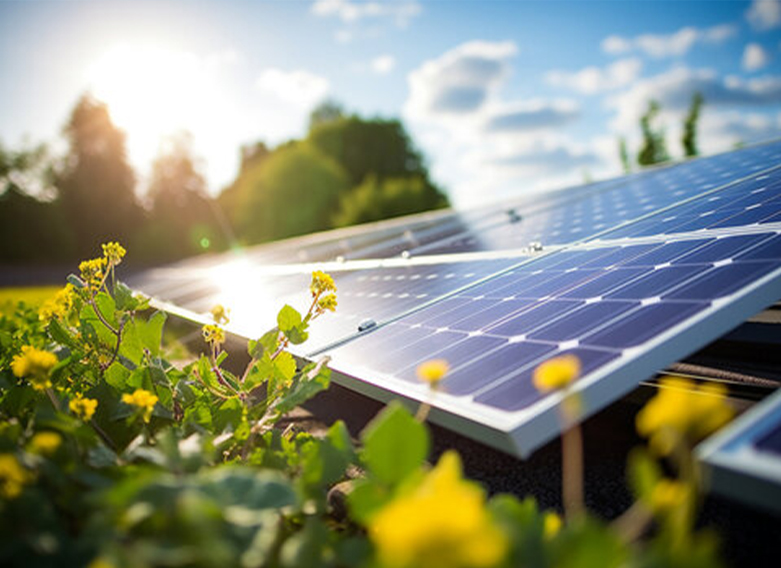
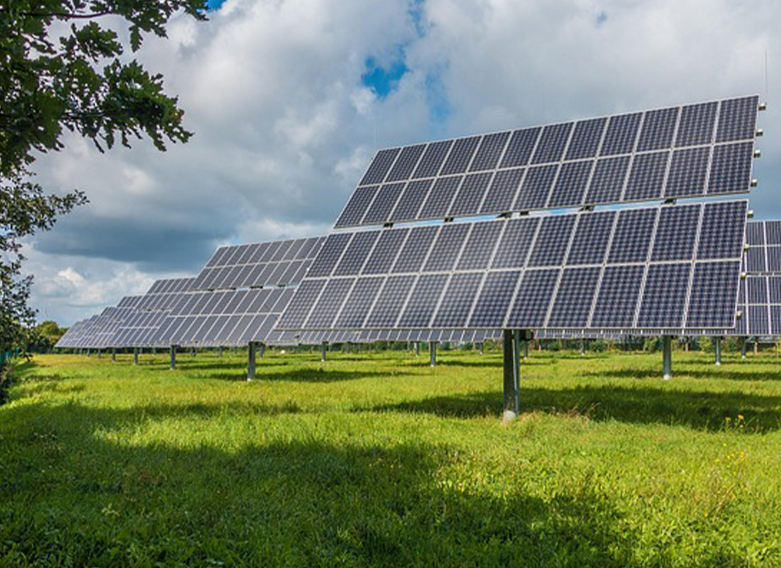
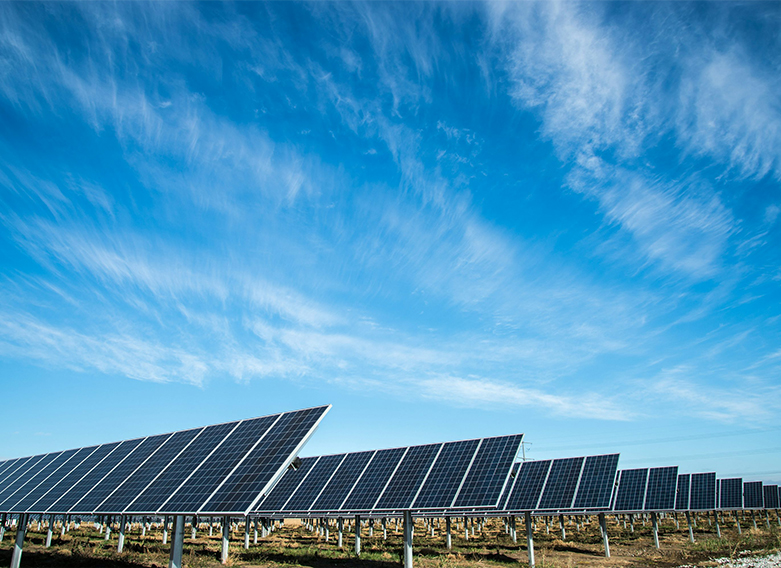
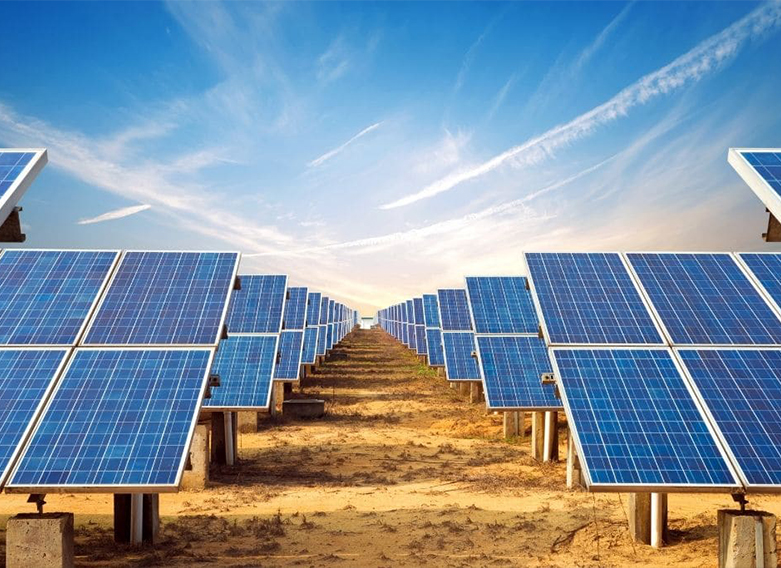
Solar Panels (PV Modules) – Convert sunlight into DC electricity.
Inverter – Converts DC to AC electricity (usable in most homes).
Mounting Structure – Supports panels on rooftops or the ground.
Battery Bank (optional) – Stores excess power for use at night or during outages.
Grid Tie or Hybrid Setup – Allows integration with public electricity grid.
solar energy systems
Solar energy systems are technologies that harness the power of the sun to generate electricity or heat for residential, commercial, or industrial use. There are two main types of solar energy systems:
Photovoltaic (PV) Systems
These systems convert sunlight directly into electricity using solar panels made of semiconductor materials like silicon.
Solar Thermal Systems
Solar Thermal Systems
These systems use sunlight to heat a fluid, which can then be used for heating water, space heating, or even generating electricity.
Types:
Solar water heaters: For domestic hot water use.
Solar space heaters: For heating homes or buildings.
Concentrated solar power (CSP): Uses mirrors or lenses to concentrate sunlight to heat a fluid and generate electricity via turbines.
Advantages of Solar Energy Systems
Hazard Identification
What climate-related events are likely to occur?
Exposure Analysis
What assets (infrastructure, communities, ecosystems) are exposed?
Vulnerability Assessment
How sensitive are these assets to climate hazards?