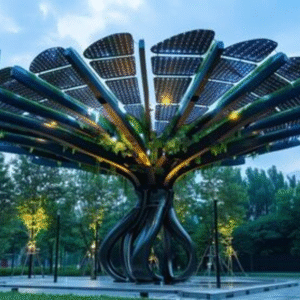
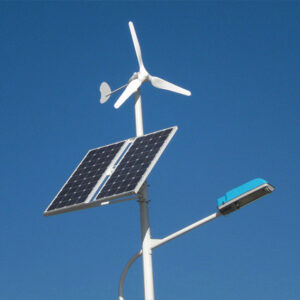
A solar avenue refers to a roadway or pathway that uses solar panels embedded in or installed alongside the road surface to generate electricity. This energy can be used for:
Powering street lights (solar street lighting)
Charging electric vehicles (EVs)
Running traffic systems (signals, signage)
Supporting local grids
Enhancing smart city systems (surveillance, sensors, data collection)
Solar avenues can be implemented in residential, commercial, or industrial zones, and they contribute significantly to energy-efficient urban development.
Solar Avenue
A solar avenue refers to a roadway or pathway that uses solar panels embedded in or installed alongside the road surface to generate electricity. This energy can be used for:
Powering street lights (solar street lighting)
Charging electric vehicles (EVs)
Running traffic systems (signals, signage)
Key Components of a Solar Avenue
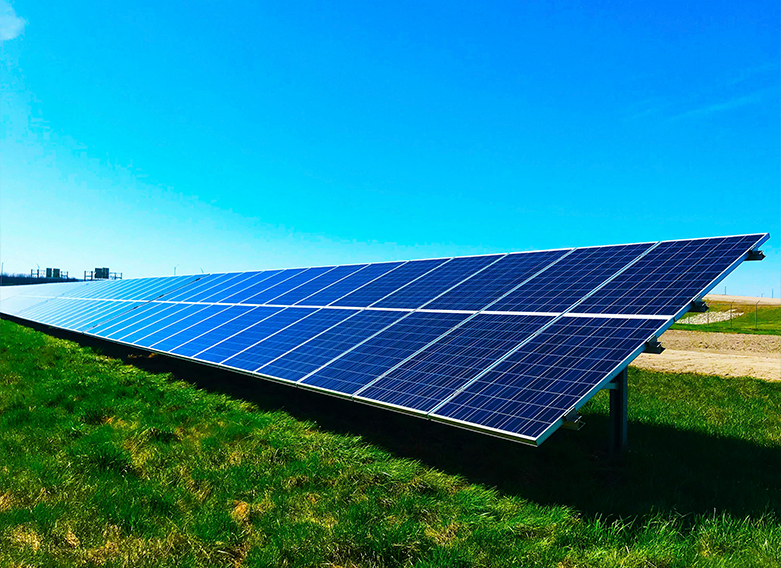
Solar Panels (PV Modules)
Can be mounted on streetlights, sidewalk shelters, or embedded in pavement.
Types include monocrystalline, polycrystalline, or thin-film PV.
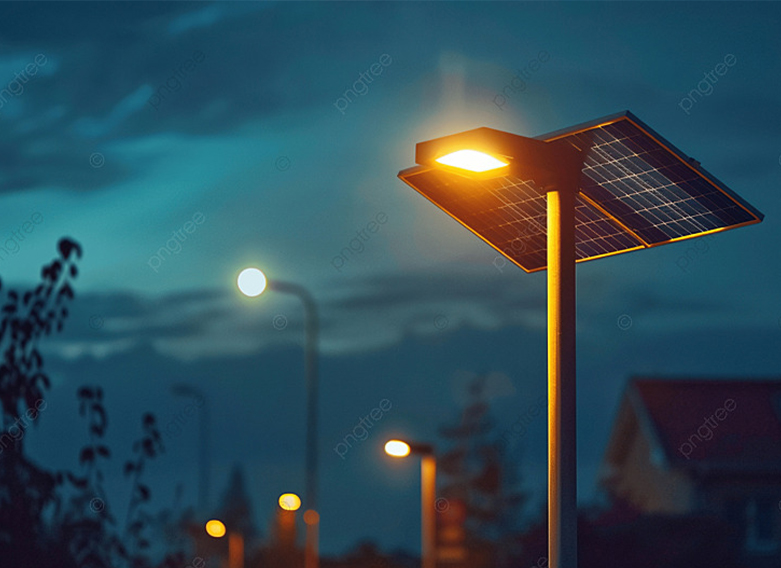
Solar-Powered Streetlights
Work independently of the grid.
Include solar panels, LED lights, charge controllers, and batteries.
EV Charging Stations
Powered by solar canopies or standalone solar systems.
Types of Solar Avenues
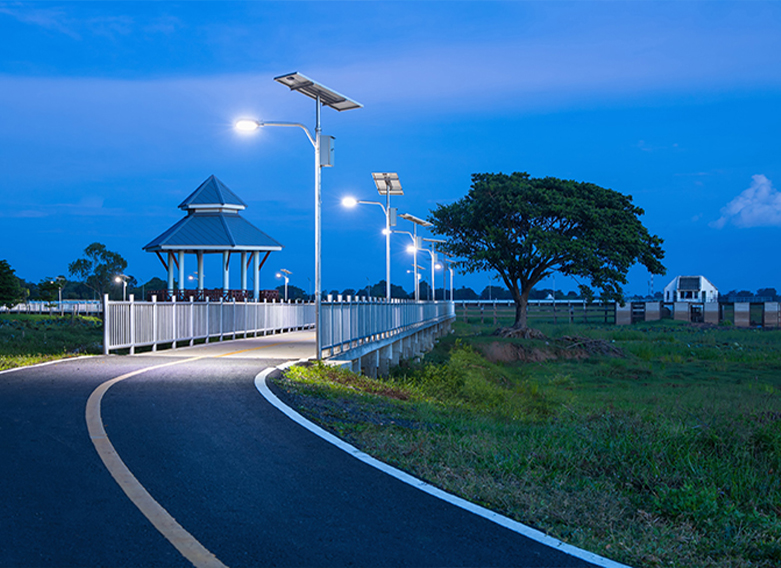
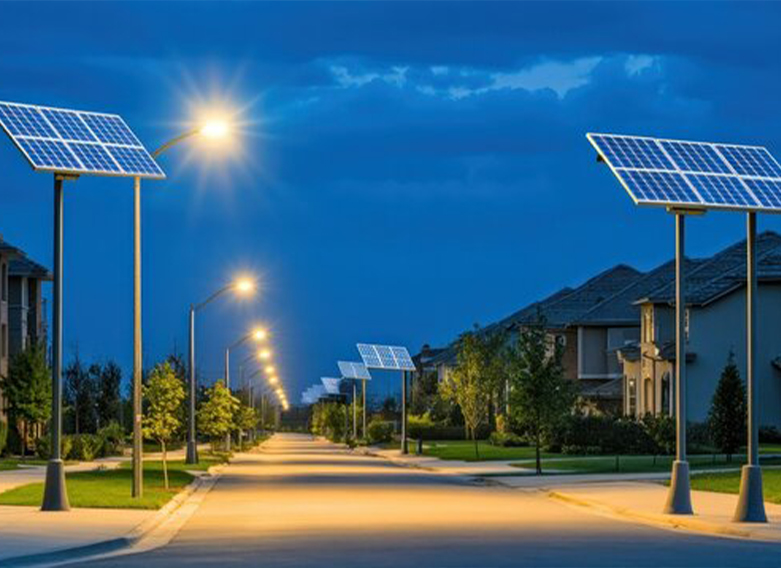
Solar Streetlight Avenue
Streets lined with solar-powered LED lights.
Common in rural electrification and smart city projects.
Solar-Powered EV Corridor
Highways or main roads with solar-powered charging stations for electric vehicles.
Solar Pavement
Roads or bike paths with solar panels embedded into the surface (e.g., Wattway in France, Solar Roadways in the USA).