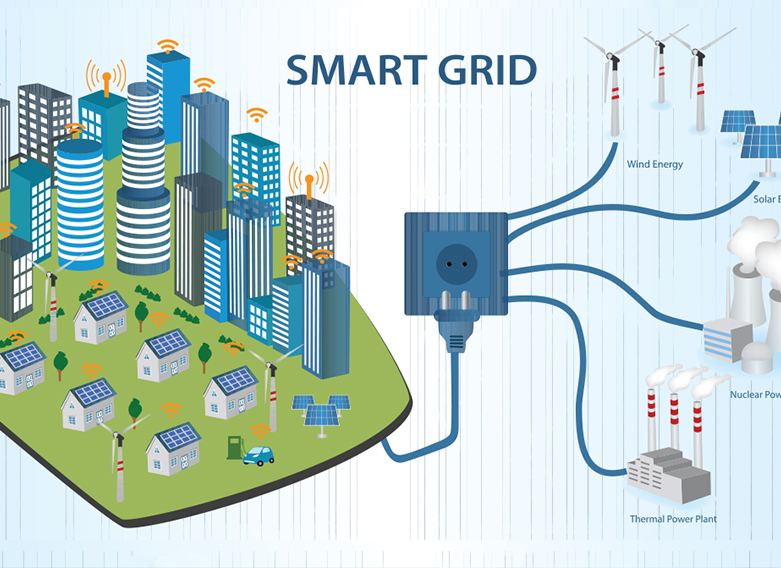
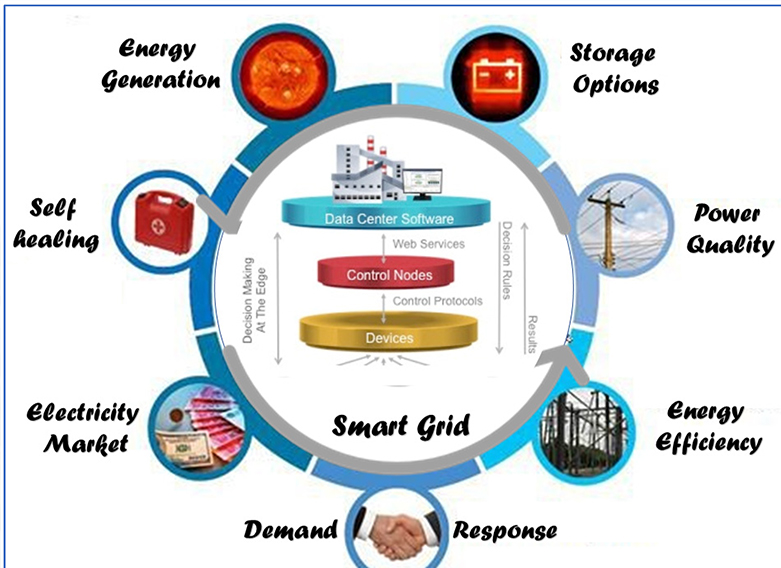
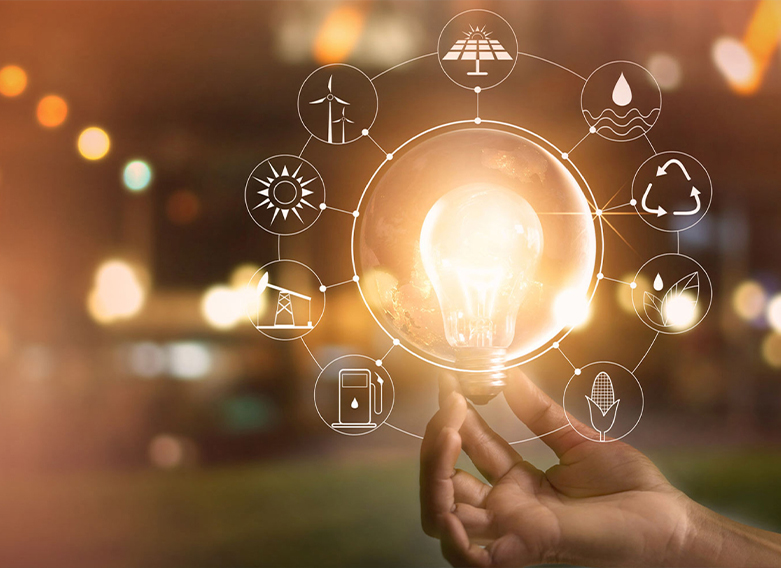
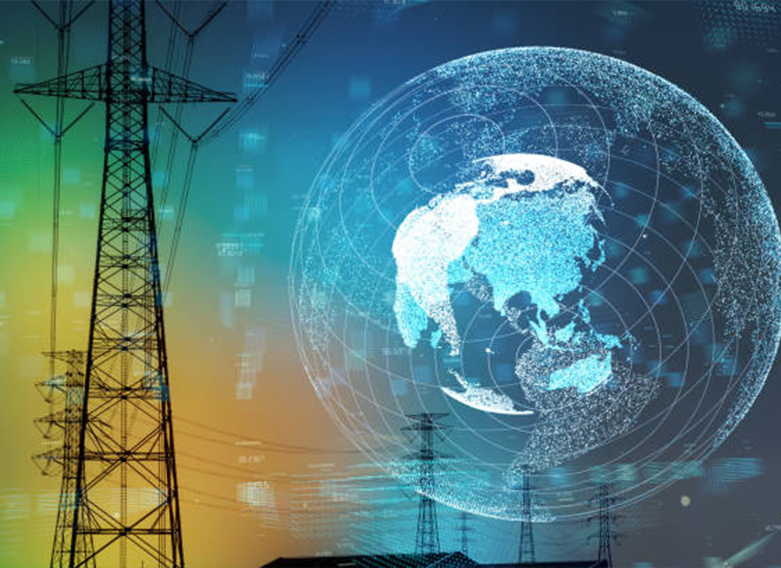
A Smart Grid is an advanced electrical grid system that uses digital technology, real-time data, and automation to improve the efficiency, reliability, sustainability, and economics of electricity production, distribution, and consumption. Unlike traditional grids, smart grids are bi-directional: power and data flow both from producers to consumers and vice versa.
Core Components
Data Acquisition Layer
Involves collecting raw environmental data from sensors (e.g., PM2.5, pH meters), remote sensing satellites (e.g., Sentinel, Landsat), weather stations, and field surveys.
IoT devices provide real-time data, critical for responsive action in emergencies such as chemical spills or forest fires.
Data integrity is ensured through validation protocols, calibration of devices, and redundancy.
Smart grid and energy consumption optimization
A Smart Grid is an advanced, digitalized electrical grid system that integrates:
Information and communication technologies (ICT)
Real-time monitoring
Automated control systems
Two-way communication between utilities and consumers
Major Components of Smart Grids
Smart Meters
Record real-time energy usage.
Allow dynamic pricing and remote disconnection/reconnection.
Advanced Metering Infrastructure (AMI)
Network of smart meters and communication infrastructure.
Supports demand response and outage detection.
Sensors and IoT Devices
Detect temperature, load, vibrations, and faults in real-time.
Energy Consumption Optimization
Energy consumption optimization refers to reducing energy use while maintaining comfort, reliability, and economic performance.
Strategies:
a. Demand Side Management (DSM)
Shifts consumption from peak to off-peak hours.
Reduces generation costs and grid stress.
b. Demand Response (DR)
Consumers reduce or shift energy use during peak demand periods in exchange for incentives.