
Smart greenhouse monitoring Systems

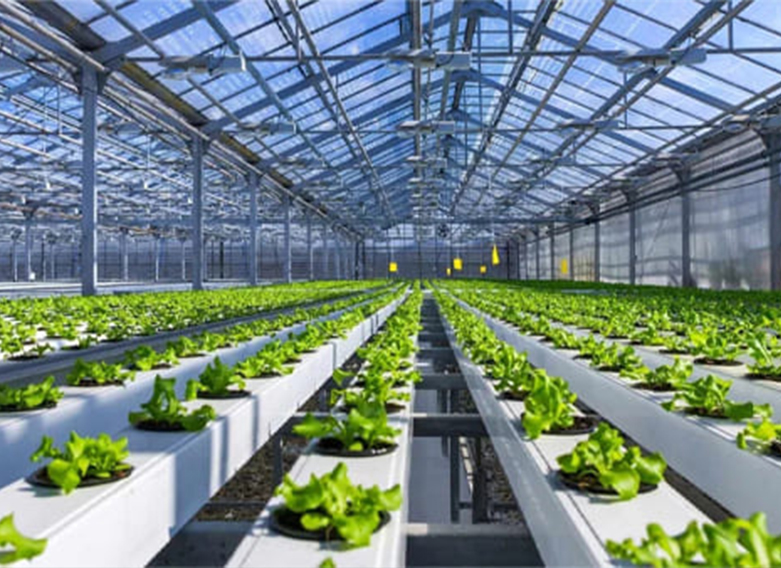
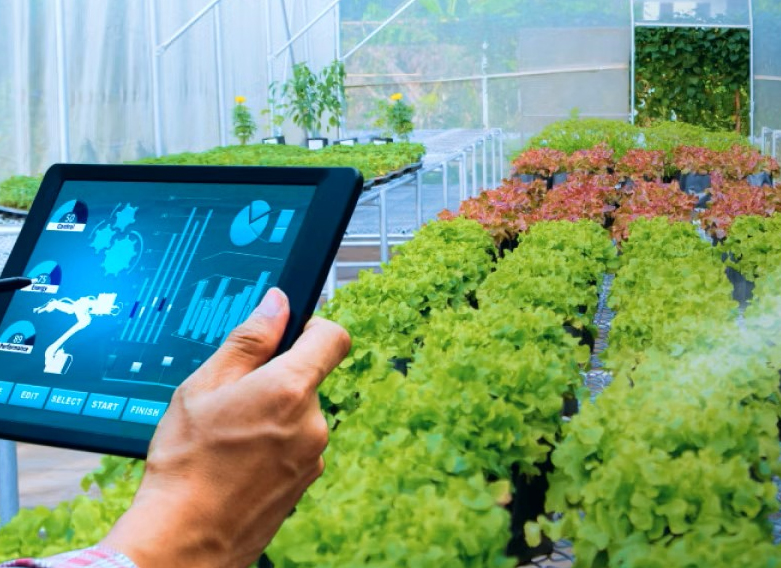
A Smart Greenhouse Monitoring System uses IoT (Internet of Things), sensors, automation, and AI to optimize and control the internal environment of a greenhouse for maximum plant growth, resource efficiency, and sustainability.

Traditional greenhouses require manual monitoring and adjustments. A smart system automates these tasks, using real-time data to:

  1. Monitor climate conditions (temperature, humidity, CO₂)

  2. Automate irrigation, lighting, and ventilation

  3. Reduce labor and resource consumption

  4. Improve yield quality and quantity

Smart greenhouse monitoring Systems


A Smart Greenhouse Monitoring System refers to the use of IoT (Internet of Things), AI, and automation technologies to monitor and control greenhouse environments. Unlike conventional greenhouses that require manual adjustments, smart greenhouses automate the regulation of:

  • Temperature

  • Humidity

  • Light

Core Topics in Smart Greenhouse Monitoring Systems

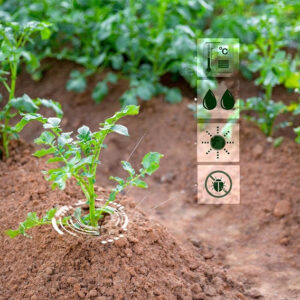
Monitors all physical and chemical variables that affect plant health and growth.

Key Parameters:

  • Temperature: Both air and soil temperature affect metabolism and photosynthesis.

  • Humidity: Prevents dehydration and controls fungal growth.

  • Light Intensity: Vital for photosynthesis; adjusted with artificial lighting.

  • CO₂ Concentration: Required for plant respiration; increased levels may boost growth.

Automated Control Systems

These are the actuating mechanisms that respond to sensor inputs.

Examples:

  • Automatic Ventilation: Opens/adjusts vents when temperature rises.

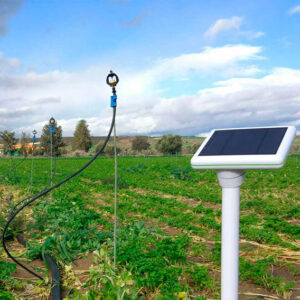
  • Irrigation Systems: Drip or mist irrigation triggered by soil moisture levels.

  • Lighting Systems: LED grow lights turn on/off based on sunlight availability.

  • Heating/Cooling Systems: Maintain optimal temperature.