Iot – enabled farm automation

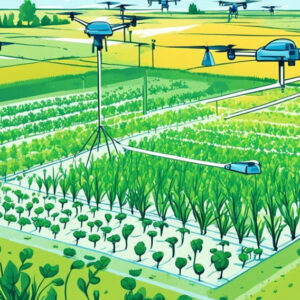
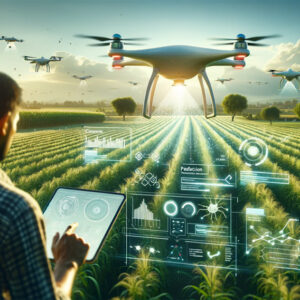
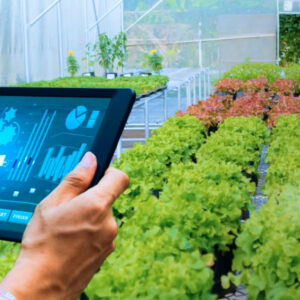
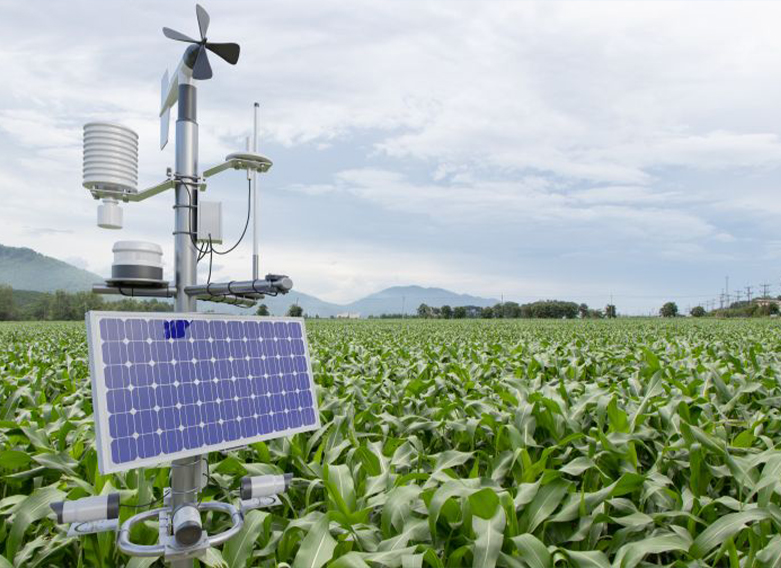
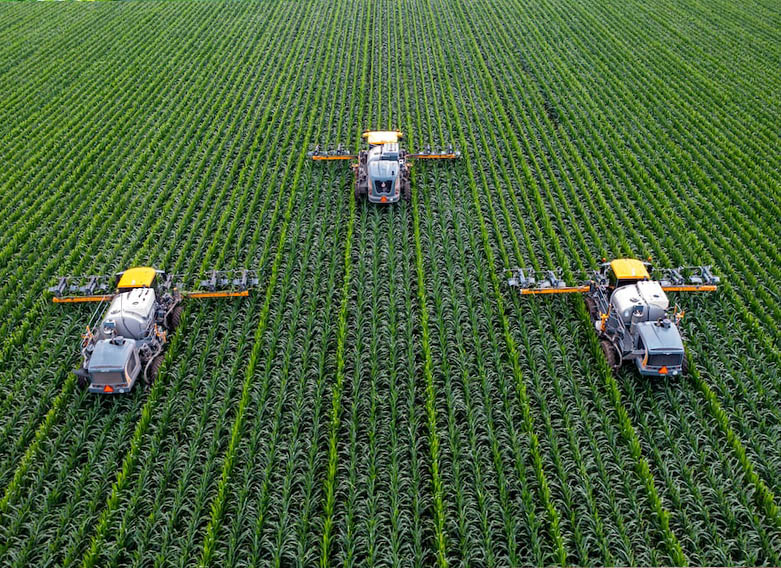
IoT-enabled farm automation refers to the use of Internet of Things (IoT) technologies—such as sensors, smart devices, wireless networks, and cloud platforms—to automate and optimize farming operations. This approach transforms traditional agriculture into smart farming, where machines and systems collect real-time data, make intelligent decisions, and control equipment with minimal human intervention.

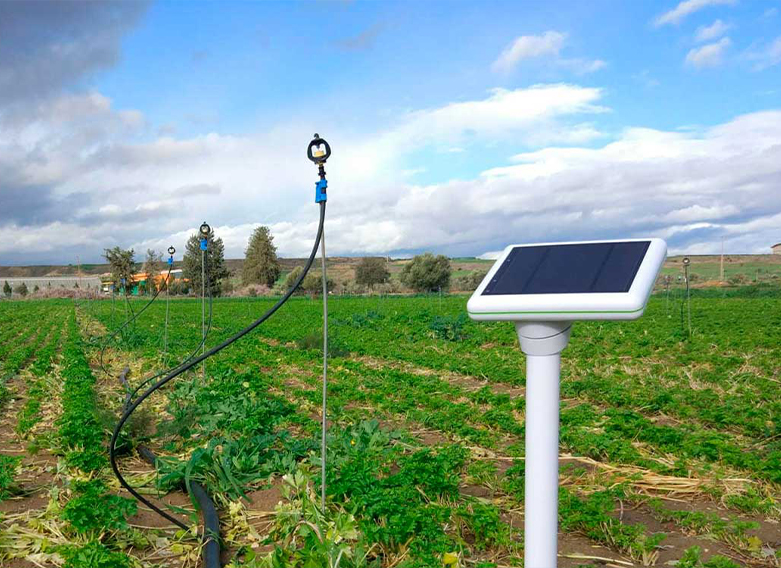
  1. Automated Irrigation System

    • Sensors detect soil dryness and trigger water pumps.

    • Saves water by irrigating only when needed.

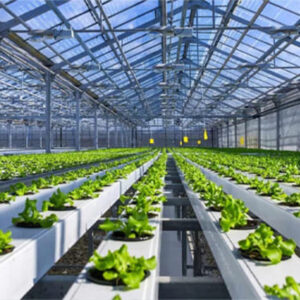
  2. Greenhouse Automation

    • Temperature and humidity sensors control fans, heaters, and misters.

    • Light sensors adjust artificial lighting.

Iot - enabled farm automation

IoT-Enabled Farm Automation is the integration of Internet of Things (IoT) technology into agriculture to automate, monitor, and optimize farm operations. It transforms traditional farming into smart agriculture, where devices collect real-time data, communicate wirelessly, and automatically control farming machinery or systems with minimal human input.

  1. Optimize Resource Use
  2. Automate Repetitive Tasks

Core Components and Architecture

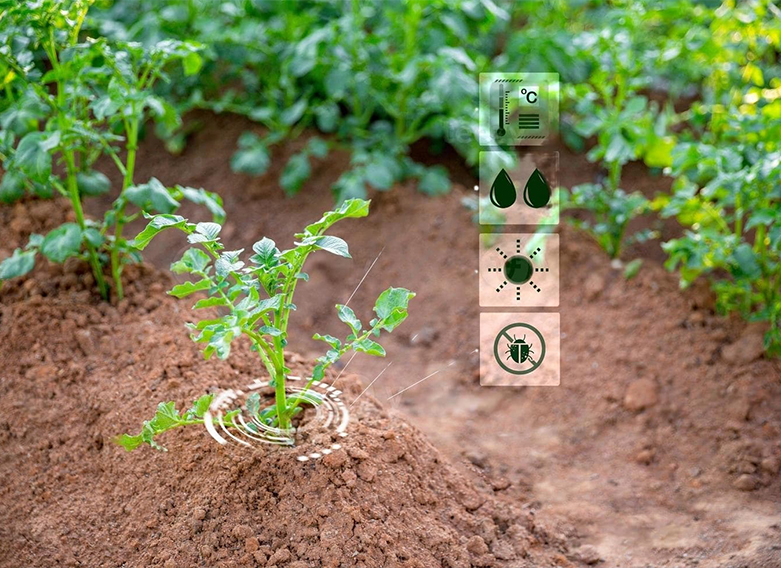
 Sensors

Used for monitoring environmental and soil conditions:

  • Soil moisture sensor – Measures water content

  • Temperature & humidity sensor – Tracks climate

  • Light sensor (LDR) – Detects light intensity

  • pH and EC sensors – Monitor soil acidity and nutrient content

  • CO₂/gas sensors – Measure air quality and greenhouse gases

Applications in Agriculture

Smart Irrigation Systems

  • Automated watering based on soil moisture

  • Reduces over- and under-watering

  • Saves water by up to 30–50%

Fertilizer Automation

  • Nutrient sensors decide fertilizer dosing

  • Ensures balanced nutrition to crops