Both hydropower and tidal energy are forms of renewable energy that harness water movement to generate electricity—but they differ in their sources and technologies.
Hydropower (Hydroelectric Power)
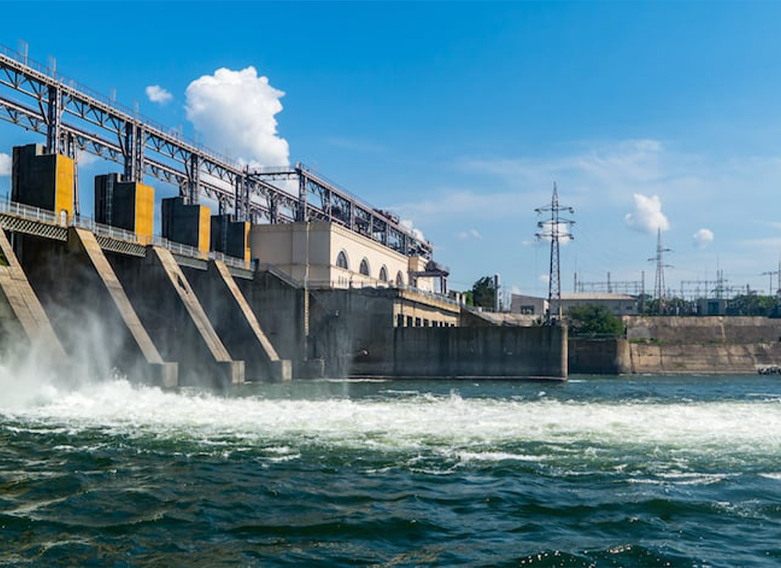
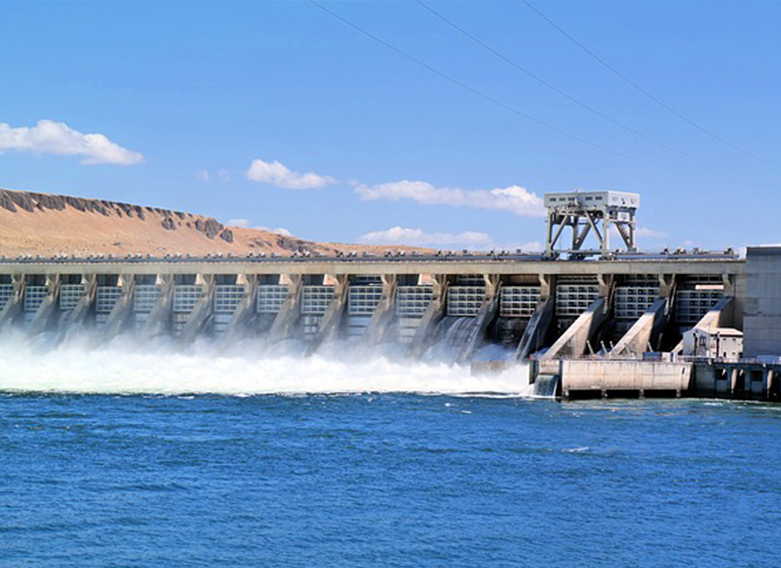
Hydropower uses the energy of flowing or falling water (typically from rivers or dams) to turn turbines that generate electricity.
Highly efficient (up to 90%)
Can provide base-load and peak-load power
Long lifespan (often 50+ years)
Supports water storage and irrigation
Low operational costs once built
Hydropower and tidal energy
As the world transitions from fossil fuels to cleaner energy sources, water-based energy solutions such as hydropower and tidal energy have emerged as key components of the global renewable energy mix. These technologies harness the kinetic and potential energy of moving or stored water to generate electricity, offering reliable and low-emission power. While hydropower is a well-established source of renewable energy, tidal energy represents a newer, emerging frontier with vast potential. This document explores the principles, technologies, benefits, challenges, and future prospects of both hydropower and tidal energy solutions.
Tidal Energy: The Power of the Oceans
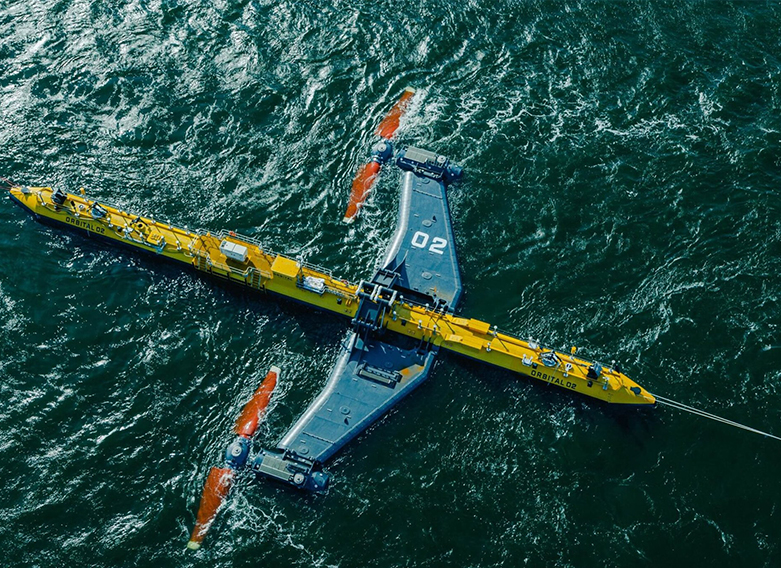
Tidal energy harnesses the rise and fall of ocean tides, driven by the gravitational interaction between the Earth, Moon, and Sun. It is a form of predictable and renewable energy, making it highly attractive for coastal nations.
Tidal Range (Barrages): Similar to dams, tidal barrages trap high tides and release water through turbines during low tides.
Tidal Stream (Current) Systems: Use underwater turbines placed in fast-moving tidal currents, similar to underwater wind turbines.
Dynamic Tidal Power (DTP): An experimental concept that uses long dams built perpendicular to the coast to generate power from tidal phase differences.
Hydropower: The Backbone of Renewable Energy
Hydropower, or hydroelectric power, is energy derived from the movement of water usually from rivers or reservoirs. It converts kinetic energy from flowing water into mechanical energy and then into electricity using turbines and generators.
Run-of-River Systems: Utilize the natural flow of rivers without large reservoirs. Minimal environmental impact but dependent on seasonal flow variations.
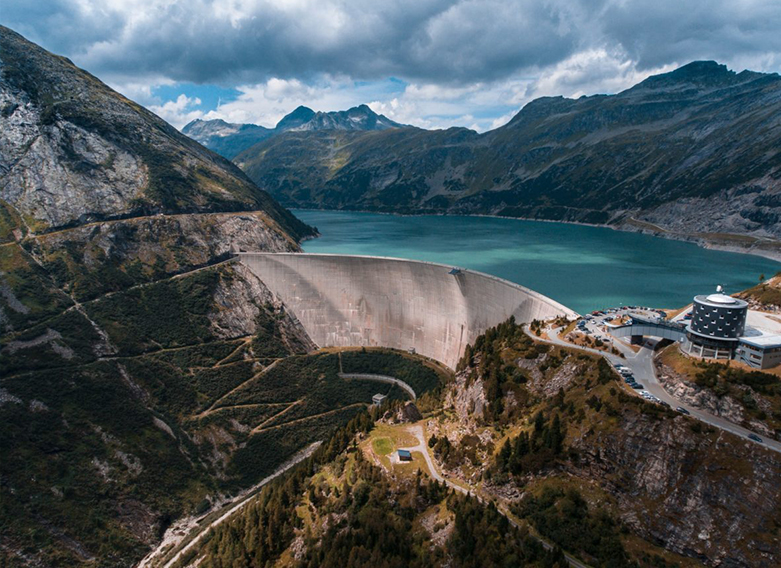
Storage (Reservoir) Systems: Involve large dams storing water in reservoirs. Provides consistent and controllable power but with high environmental and social costs.