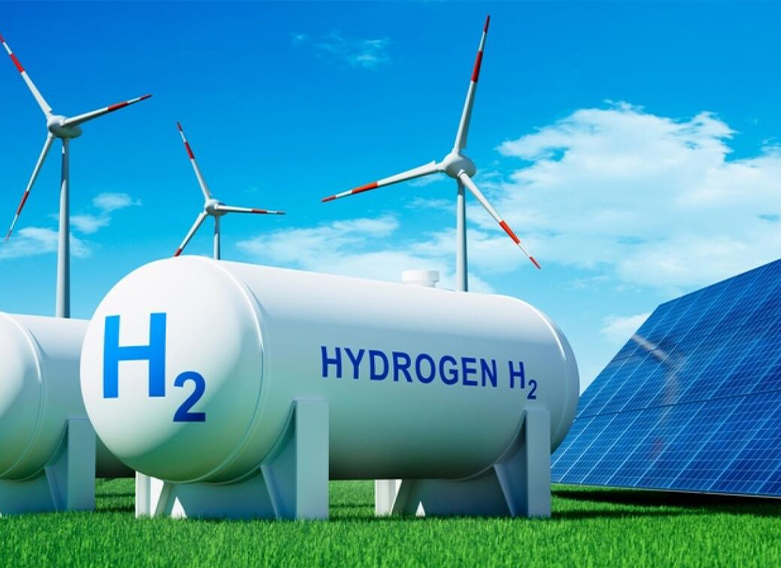
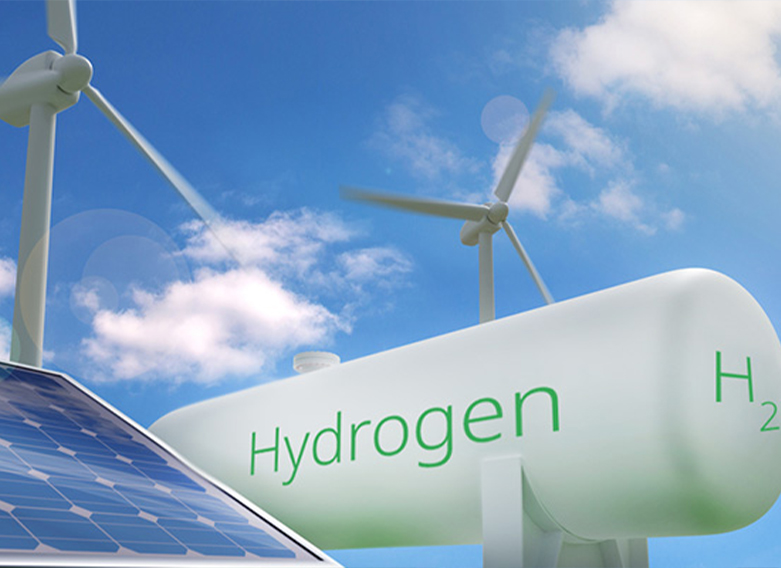
Green hydrogen is a type of clean fuel made by splitting water (H₂O) into hydrogen (H₂) and oxygen (O₂) using electricity from renewable sources like solar, wind, or hydropower. This process is called electrolysis.
Uses of Green Hydrogen:
Fuel for cars, buses, and trains
Running factories (like steel and chemical plants)
Storing renewable energy
Heating homes and buildings
Green hydrogen and bioenergy
Green hydrogen is a type of clean fuel made by splitting water (H₂O) into hydrogen (H₂) and oxygen (O₂) using electricity from renewable sources like solar, wind, or hydropower. This process is called electrolysis.
Water is put into an electrolyzer.
Renewable electricity powers the electrolyzer to split water.
Hydrogen gas is collected and used as fuel or energy storage.
No CO₂ is produced — making it “green.”
Green Hydrogen
Green hydrogen is hydrogen gas (H₂) produced by splitting water molecules (H₂O) using renewable energy sources like solar or wind through a process called electrolysis. It is the cleanest form of hydrogen because it does not emit carbon dioxide (CO₂) during production.
Water is fed into an electrolyzer.
Renewable electricity powers the electrolyzer.
Hydrogen gas is collected and stored.
Oxygen is released into the air or used for industrial purposes.
Bioenergy Solutions
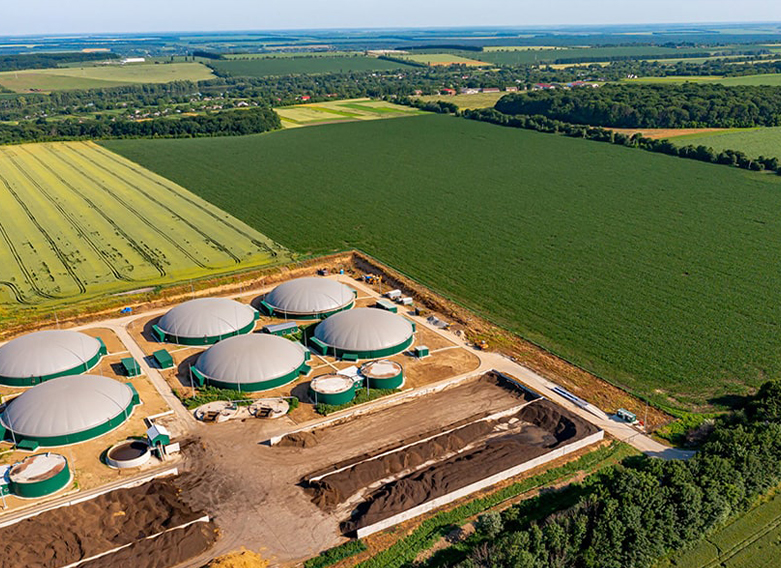
Bioenergy is energy generated from biomass — organic materials like plants, crop waste, manure, and food waste. These materials contain stored energy from the sun, which is released through combustion, digestion, or fermentation.
Bioenergy is one of the oldest forms of renewable energy and is still widely used today, especially in rural and agricultural communities.