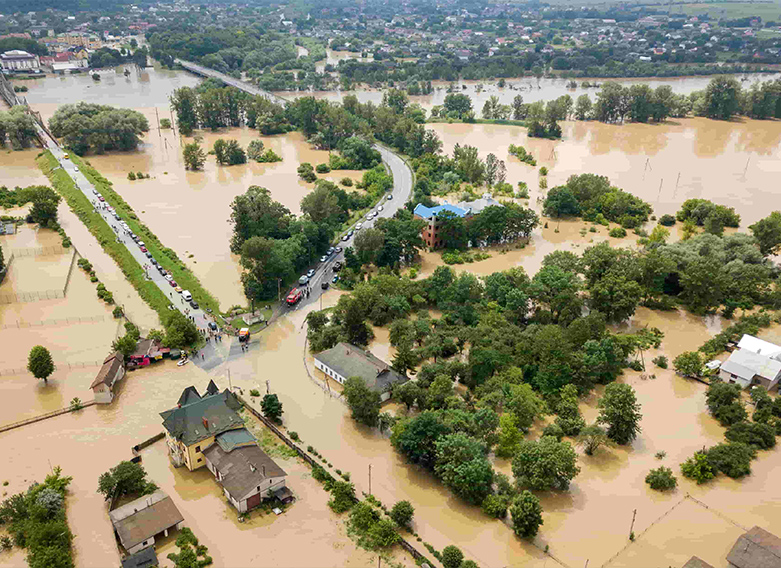
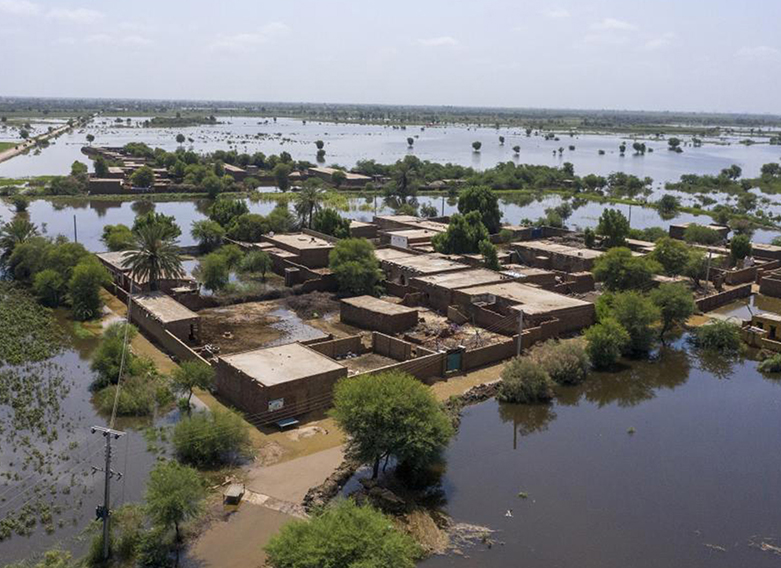
Natural and man-made disasters — such as earthquakes, floods, hurricanes, wildfires, pandemics, and industrial accidents — continue to threaten lives, disrupt economies, and damage infrastructure across the globe. In the face of climate change, rapid urbanization, and increased population density, the need for robust disaster preparedness and effective early warning systems has never been more urgent.
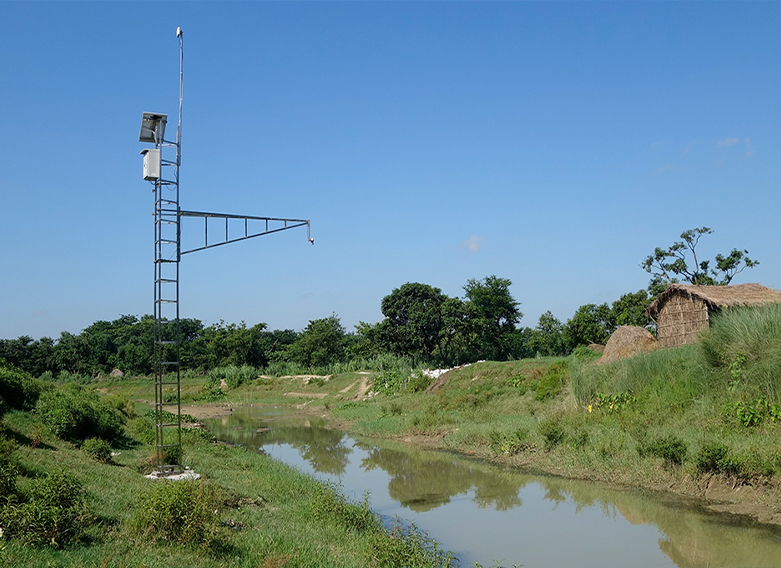
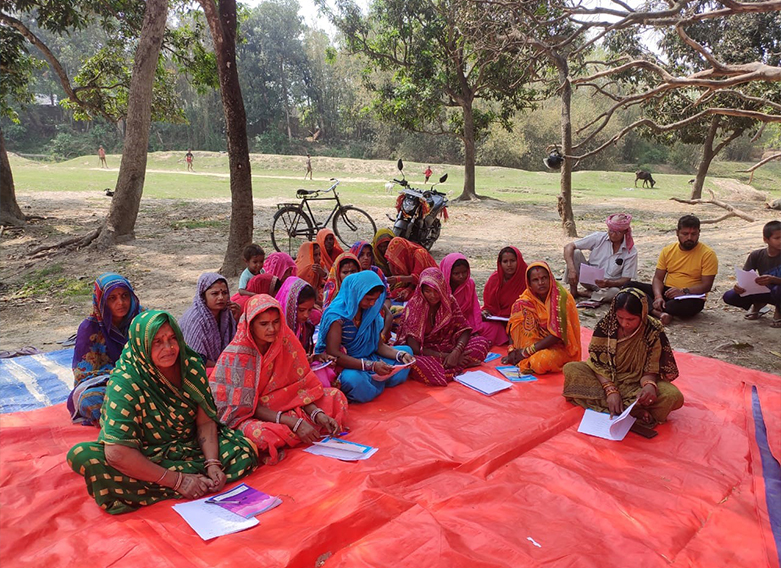
Disaster preparedness and early warning systems are crucial elements of risk reduction strategies. They help communities anticipate hazards, take preventive action, and recover more quickly, ultimately saving lives and reducing economic losses.
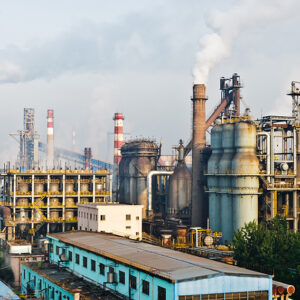
Technological/Industrial: Chemical spills, nuclear accidents
Disasters — whether natural or human-induced — pose significant threats to human life, the environment, infrastructure, and economic development. The increasing frequency and severity of disasters due to climate change, urbanization, population growth, and environmental degradation have emphasized the need for enhanced disaster risk reduction strategies. Among these, disaster preparedness and early warning systems (EWS) serve as essential pillars for reducing vulnerability and saving lives.Disaster preparedness refers to the proactive planning and actions taken before a disaster to ensure a timely, organized, and efficient response.
Understanding Disaster Preparedness
Understanding Disaster Preparedness involves knowing how individuals, communities, organizations, and governments anticipate, plan for, respond to, and recover from natural and man-made disasters. It is a key pillar of disaster risk reduction (DRR) and resilience building, aiming to minimize the adverse impacts of hazardous events on human lives, infrastructure, and the environment.