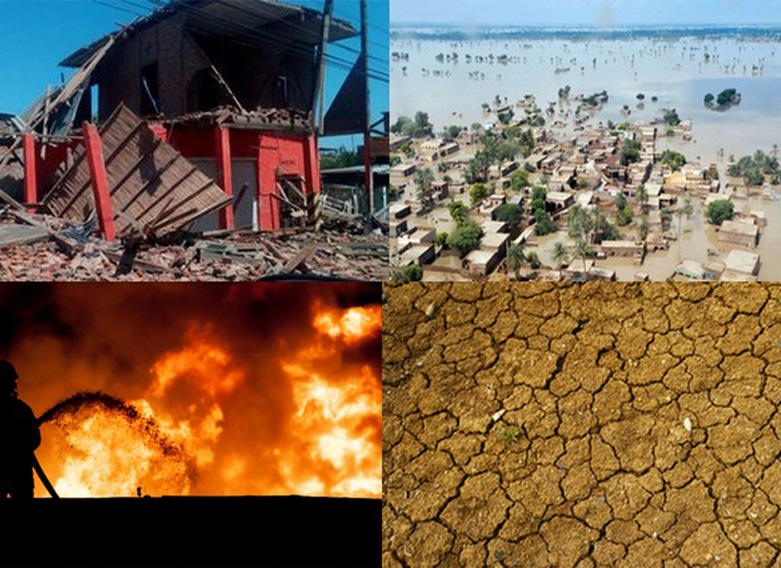
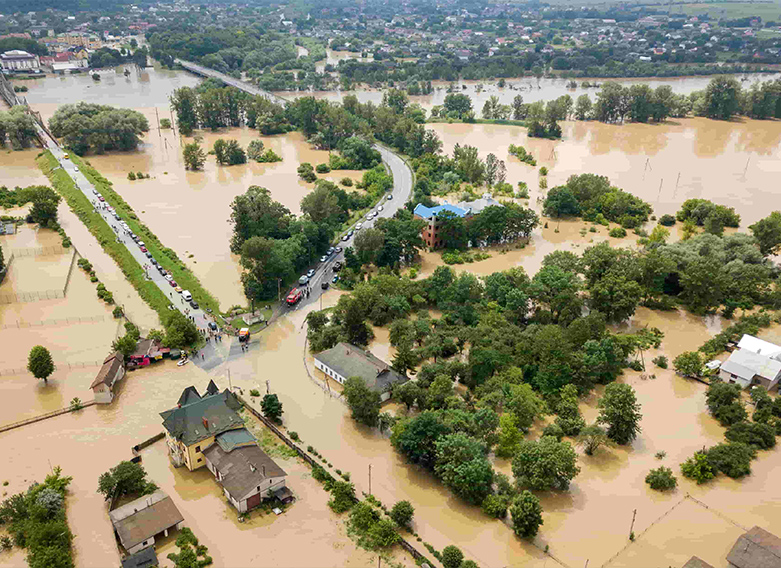
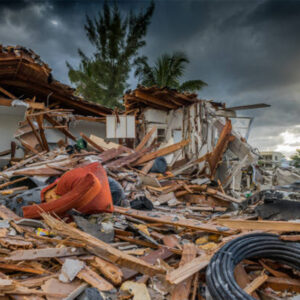
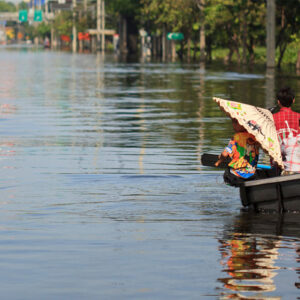
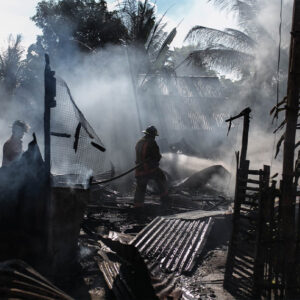
Disaster risk mitigation refers to efforts to reduce or eliminate the long-term risk to human life and property from natural and human-induced hazards. Consultancy for Disaster Risk Mitigation involves providing expert services, technical knowledge, planning support, and capacity-building solutions to help governments, businesses, and communities prevent or reduce the impact of disasters.
As disasters become more frequent and severe due to climate change, population growth, urbanization, and environmental degradation, the demand for disaster risk mitigation consultants has increased globally. These consultants provide tailored advice and solutions to help stakeholders build resilience, protect assets, and reduce vulnerability.
Identify and assess risks associated with various hazards.
Design and implement risk reduction strategies and structural measures.
Integrate risk mitigation into policies, infrastructure development, and planning.
Enhance community preparedness and institutional capacity.
Consultancy for Disaster Risk Mitigation
Disaster Risk Mitigation (DRM) is a critical component of disaster risk management that focuses on reducing or preventing the potential impacts of hazards on people, assets, and the environment. Consultancy for disaster risk mitigation involves professional advisory services aimed at helping stakeholders—such as governments, NGOs, private sector entities, and communities—identify, analyze, and reduce disaster risks effectively.
As disasters increase in frequency and intensity due to climate change, rapid urbanization, and ecological degradation, expert consultancy has become vital to ensure informed planning, resilient infrastructure development, and community preparedness. This consultancy aligns with global frameworks such as the Sendai Framework for Disaster Risk Reduction (2015–2030) and the UN Sustainable Development Goals (SDGs).