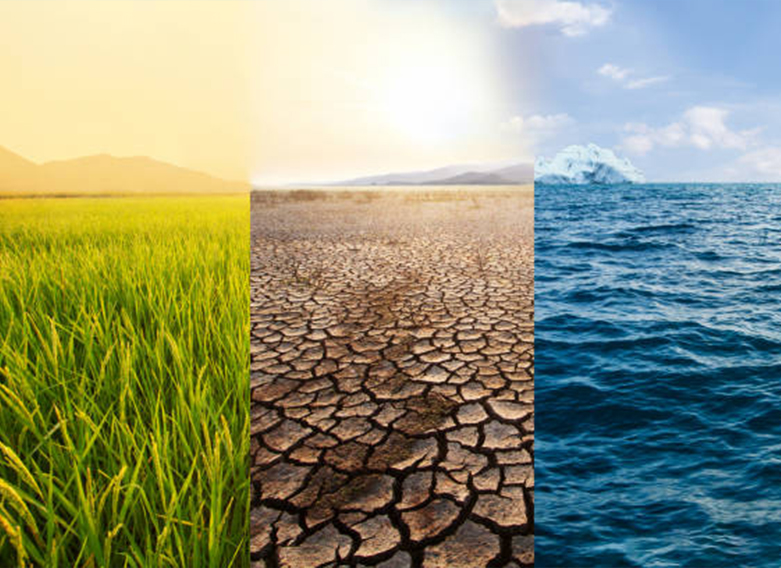
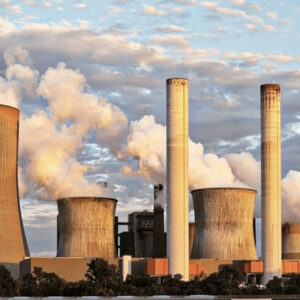
Climate risk assessment is the process of identifying, evaluating, and understanding the potential impacts of climate change on people, assets, and ecosystems. Forecasting refers to the use of scientific models and data to predict future climate-related risks such as rising temperatures, sea levels, droughts, and extreme weather.
Earth Observation (EO) from satellites
Global Climate Models (GCMs)
Downscaling tools for regional predictions
AI/ML for pattern detection
GIS (Geographic Information Systems)
Climate dashboards and risk maps
Climate Risk Assessment and Forecasting
Climate risk assessment is the process of identifying, analyzing, and evaluating the potential impacts of climate change on people, businesses, ecosystems, and infrastructure.
Forecasting refers to using scientific models and data to predict future climate-related events such as:
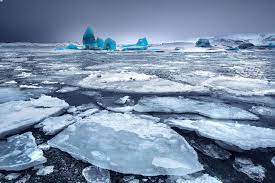
Sea level rise
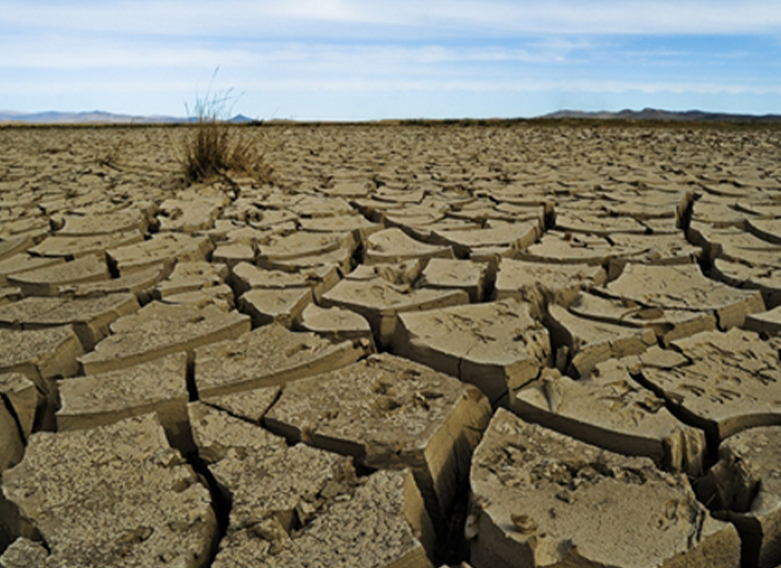
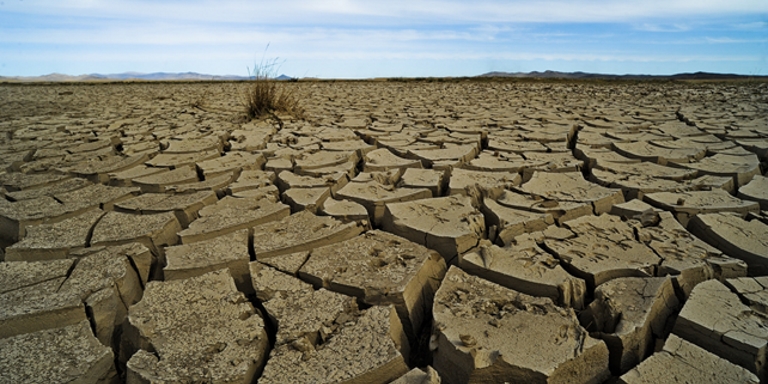
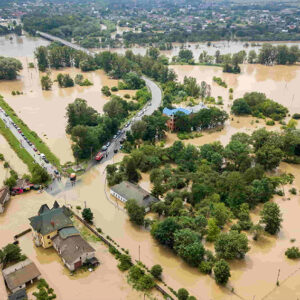
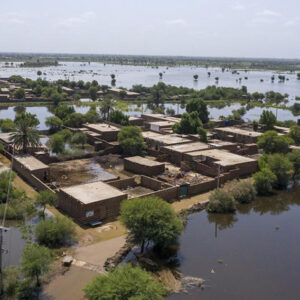
Floods and droughts
Heatwaves
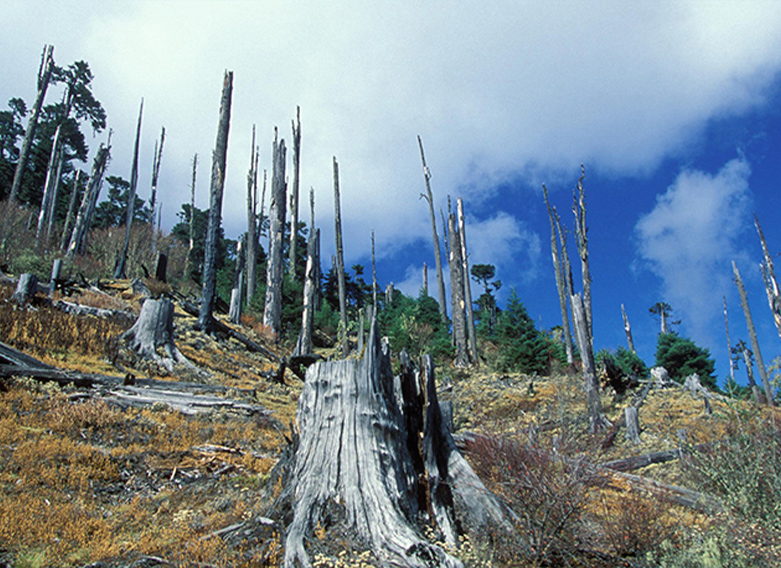
Wildfires
Why Is It Important
Climate change is increasing the frequency and severity of extreme weather. Governments, businesses, and communities need tools to:
Protect lives and property
Secure food and water resources
Plan sustainable infrastructure
Avoid economic losses
Improve insurance and disaster response
Components of Climate Risk Assessment
Hazard Identification
What climate-related events are likely to occur?
Exposure Analysis
What assets (infrastructure, communities, ecosystems) are exposed?
Vulnerability Assessment
How sensitive are these assets to climate hazards?