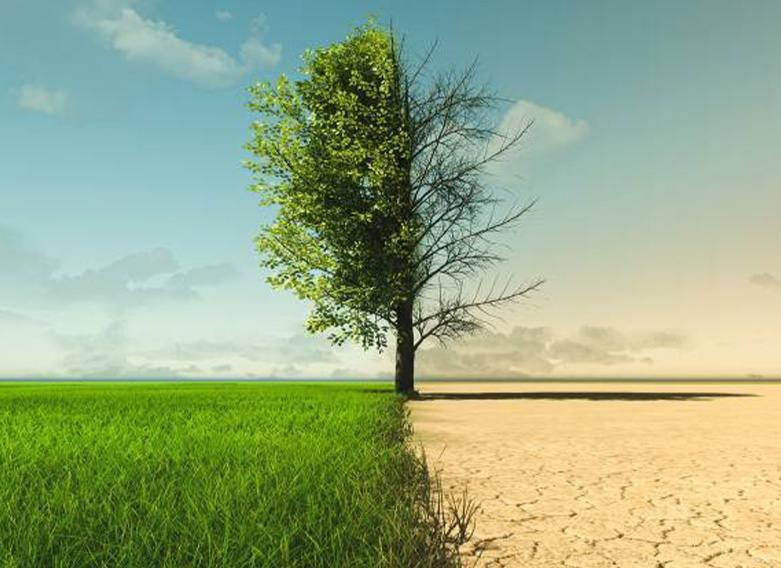
climate – resilient agriculture planning

Climate-resilient agriculture (CRA) refers to the planning and implementation of farming systems and practices that can withstand, adapt to, and recover from climate-related stresses such as droughts, floods, rising temperatures, and erratic weather.

It focuses on increasing agricultural productivity, enhancing food security, and ensuring environmental sustainability in the face of climate change.

  1. Reduced crop yields

  2. Livestock deaths

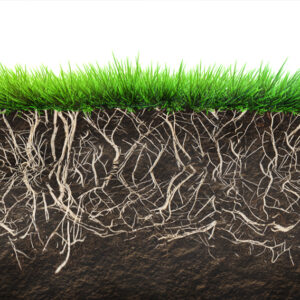
  3. Soil degradation

  4. Water scarcity

climate - resilient agriculture planning

Climate-resilient agriculture (CRA) refers to farming systems and strategies designed to help agricultural communities adapt to climate change, reduce greenhouse gas emissions, and sustain productivity under uncertain environmental conditions.

This form of agriculture integrates technology, policy, local knowledge, and natural resource management to prepare for climate extremes like:

  • Droughts

  • Floods

Climate Risk Assessment in Agriculture

 Types of Risks

  • Meteorological (droughts, heatwaves, floods)

  • Biological (pests and diseases)

Tools Used

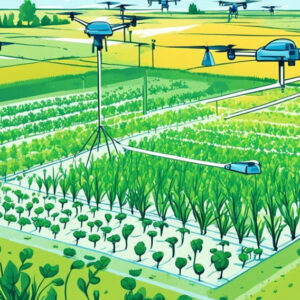
  • Geographic Information Systems (GIS)

  • Remote Sensing (RS)

Water Management in CRA

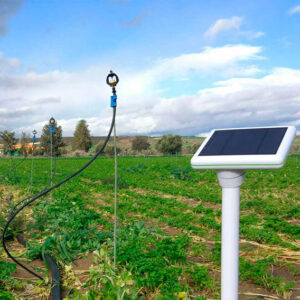
  1. Micro-irrigation systems (drip and sprinkler)

  2. Rainwater harvesting structures (ponds, tanks, trenches)

  3. Watershed management at the landscape level

  4. Smart irrigation scheduling using IoT or weather forecasts

  5. Reuse of treated wastewater for crop irrigation