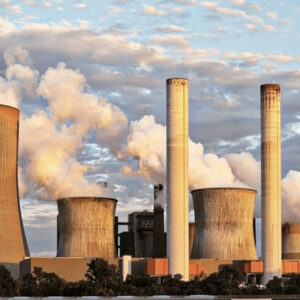
Climate change is one of the most pressing global challenges of our time. As the world grapples with rising temperatures, extreme weather events, and biodiversity loss, measuring and reducing carbon footprints has become a central goal for governments, businesses, and individuals. Traditional methods of tracking carbon emissions are often slow, manual, and prone to inaccuracies. Enter Artificial Intelligence (AI) — a transformative technology that is revolutionizing how we monitor, predict, and manage carbon footprints.
Data Collection Complexity: Gathering accurate data from disparate sources (e.g., electricity usage, transportation, manufacturing processes) is time-consuming and error-prone.
Lack of Real-Time Insights: Traditional methods often provide lagging indicators rather than real-time feedback.
AI-based carbon footprint tracking
Climate change is one of the most pressing global challenges of our time. As the world grapples with rising temperatures, extreme weather events, and biodiversity loss, measuring and reducing carbon footprints has become a central goal for governments, businesses, and individuals. Traditional methods of tracking carbon emissions are often slow, manual, and prone to inaccuracies. Enter Artificial Intelligence (AI) — a transformative technology that is revolutionizing how we monitor, predict, and manage carbon footprints.
Automating data collection from multiple sources.
Predicting emissions based on behavioral or operational trends.
How AI Tracks Carbon Footprints
Data Collection Gathers data from sensors, smart meters, IoT devices, satellite images, databases, or even corporate reports.
Data Cleaning and Integration AI algorithms sort and clean data from multiple sources and formats.
Emissions Estimation Uses ML models to estimate emissions from electricity use, transport, manufacturing, agriculture, etc.
Pattern Detection Finds high-emission activities or inefficiencies.
How AI Enhances Carbon Footprint Tracking
Automated Data Collection
AI algorithms can automatically extract, clean, and analyze large volumes of data from IoT sensors, satellite imagery, corporate systems, and external databases.
Real-Time Monitoring
Machine learning models enable real-time tracking of emissions, allowing organizations to respond quickly to high-emission events and optimize energy usage dynamically.
Predictive Analytics
AI can forecast future emissions based on current trends, historical data, and external factors such as weather patterns or policy changes.