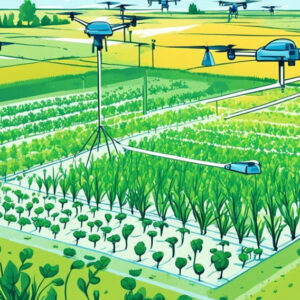
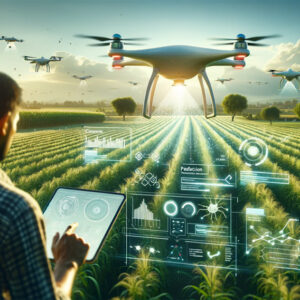
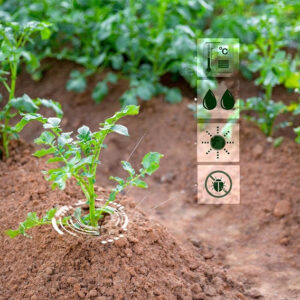
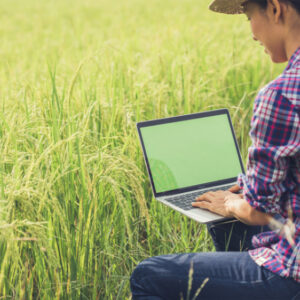
AI-powered precision farming refers to the use of Artificial Intelligence (AI) technologies—like machine learning, computer vision, and IoT—to analyze real-time agricultural data and make intelligent decisions that improve crop yield, resource efficiency, and environmental sustainability. Understand crop health from sensor or satellite images Automate irrigation based on soil moisture and weather forecasts Detect pests and diseases using computer vision Optimize…
Climate-resilient agriculture (CRA) refers to the planning and implementation of farming systems and practices that can withstand, adapt to, and recover from climate-related stresses such as droughts, floods, rising temperatures, and erratic weather. It focuses on increasing agricultural productivity, enhancing food security, and ensuring environmental sustainability in the face of climate change. Reduced crop yields Livestock deaths Soil degradation Water…
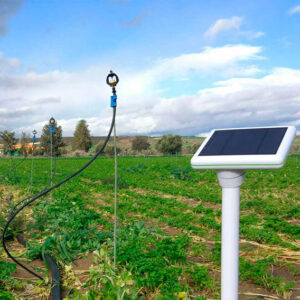
IoT-enabled farm automation refers to the use of Internet of Things (IoT) technologies—such as sensors, smart devices, wireless networks, and cloud platforms—to automate and optimize farming operations. This approach transforms traditional agriculture into smart farming, where machines and systems collect real-time data, make intelligent decisions, and control equipment with minimal human intervention. Automated Irrigation System Sensors detect soil dryness and…
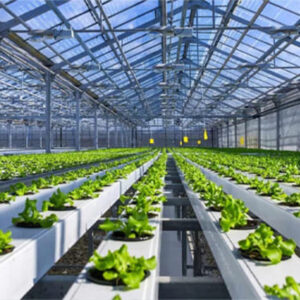
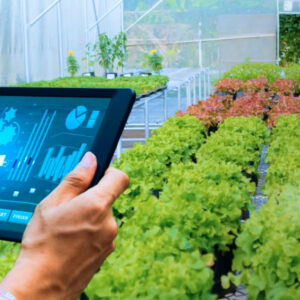
A Smart Greenhouse Monitoring System uses IoT (Internet of Things), sensors, automation, and AI to optimize and control the internal environment of a greenhouse for maximum plant growth, resource efficiency, and sustainability. Traditional greenhouses require manual monitoring and adjustments. A smart system automates these tasks, using real-time data to: Monitor climate conditions (temperature, humidity, CO₂) Automate irrigation, lighting, and ventilation…
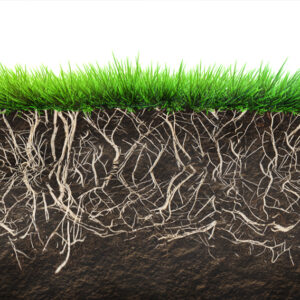
Sustainable soil and crop management analytics involves the use of data-driven tools and technologies to monitor, assess, and improve farming practices that preserve soil health, boost crop yields, and ensure long-term agricultural sustainability. This approach combines agronomic science with modern analytics, remote sensing, IoT, and AI to make informed decisions that: Conserve soil fertility Optimize input use (fertilizer, water, etc.)…