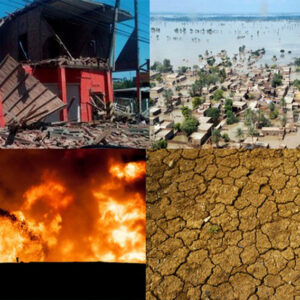
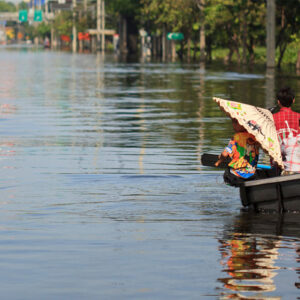
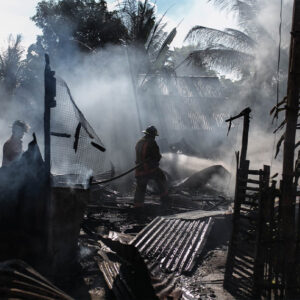
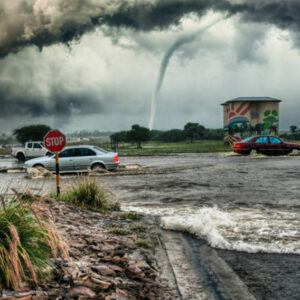
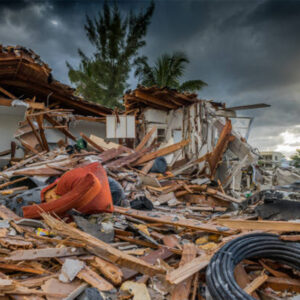
and human-induced disasters—such as floods, earthquakes, wildfires, pandemics, and industrial accidents—pose significant threats to lives, infrastructure, and economies worldwide. Traditional disaster risk identification approaches often struggle with timeliness, scale, and precision. The integration of Artificial Intelligence (AI) into disaster risk identification offers a transformative solution. By leveraging machine learning, deep learning, computer vision, NLP, and predictive analytics, AI can rapidly…
Disaster risk mitigation refers to efforts to reduce or eliminate the long-term risk to human life and property from natural and human-induced hazards. Consultancy for Disaster Risk Mitigation involves providing expert services, technical knowledge, planning support, and capacity-building solutions to help governments, businesses, and communities prevent or reduce the impact of disasters. As disasters become more frequent and severe due…
Disaster Risk Monitoring refers to the continuous process of observing, analyzing, and interpreting data and conditions that could indicate the potential for a disaster. It is a key component of disaster risk reduction (DRR) and is used to provide early warnings, guide preparedness actions, and support emergency responses. Hazard Monitoring Tracking potential natural (e.g., earthquakes, floods, hurricanes) and man-made (e.g.,…
Location-specific disaster risk assessment refers to the systematic evaluation of the likelihood and potential impact of disasters in a defined geographic area—such as a city, region, or country. The goal is to understand the unique hazards, vulnerabilities, and capacities associated with that location in order to guide disaster preparedness, urban planning, infrastructure development, and policy-making. Hazard Assessment: Identifying natural or…