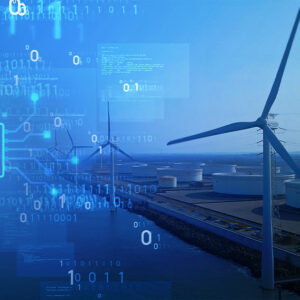
AI-powered predictive maintenance for renewable energy assets refers to the use of Artificial Intelligence (AI) technologies to predict potential failures or performance issues in systems like solar panels, wind turbines, hydro plants, and energy storage units—before they actually happen. IoT Sensors collect data (temperature, vibration, voltage, etc.) from energy assets. AI algorithms analyze this data to identify abnormal patterns. The…
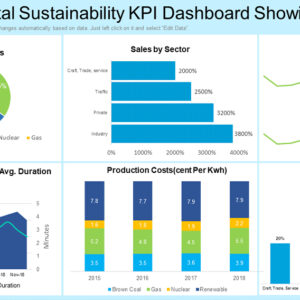
Environmental Monitoring and Reporting Dashboards are interactive platforms used to visualize, track, and analyze environmental data in real time or periodically. These dashboards support decision-making, regulatory compliance, and public transparency by aggregating data from multiple sources and presenting it through user-friendly interfaces. Real-Time Monitoring Air quality (e.g., PM2.5, PM10, NO2, CO2) Water quality (e.g., pH, turbidity, dissolved oxygen) Noise levels…
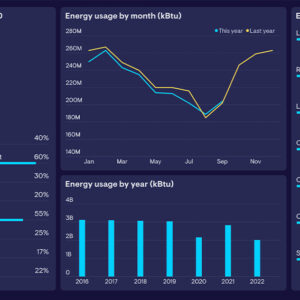
IoT-Based Sustainability Analytics refers to the use of Internet of Things (IoT) technologies—such as sensors, smart devices, and real-time monitoring systems—to collect, analyze, and visualize data related to sustainability goals. It helps organizations, cities, industries, and individuals measure and improve their environmental performance by tracking metrics like: Energy usage Water consumption Air quality Waste generation Greenhouse gas (GHG) emissions
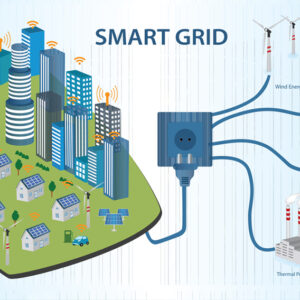
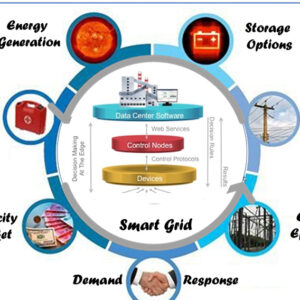
A Smart Grid is an advanced electrical grid system that uses digital technology, real-time data, and automation to improve the efficiency, reliability, sustainability, and economics of electricity production, distribution, and consumption. Unlike traditional grids, smart grids are bi-directional: power and data flow both from producers to consumers and vice versa. Core Components Data Acquisition Layer Involves collecting raw environmental data…