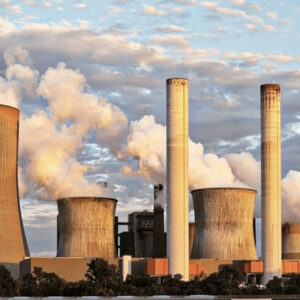
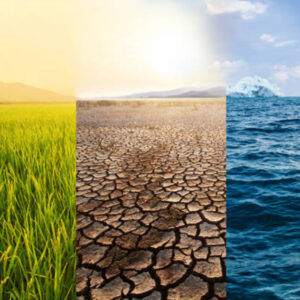
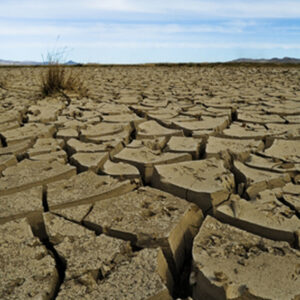
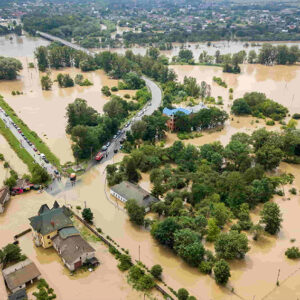
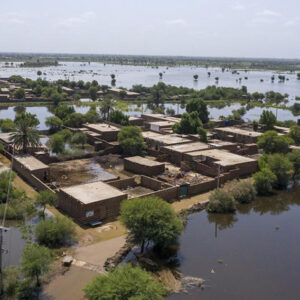
Climate change is one of the most pressing global challenges of our time. As the world grapples with rising temperatures, extreme weather events, and biodiversity loss, measuring and reducing carbon footprints has become a central goal for governments, businesses, and individuals. Traditional methods of tracking carbon emissions are often slow, manual, and prone to inaccuracies. Enter Artificial Intelligence (AI) —…
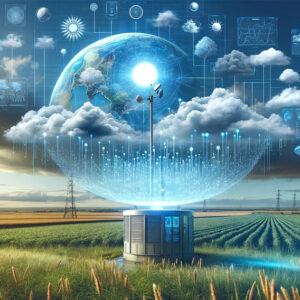
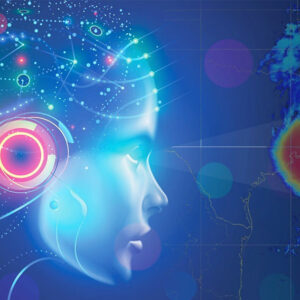
Weather forecasting is essential for agriculture, aviation, disaster management, energy planning, and daily life. Traditionally, forecasts rely on physics-based models that use equations of fluid dynamics and thermodynamics. However, these methods are computationally expensive and sometimes lack precision. With the rise of Artificial Intelligence (AI) and Machine Learning (ML), new models are now emerging that: Improve accuracy, Reduce computation time,…
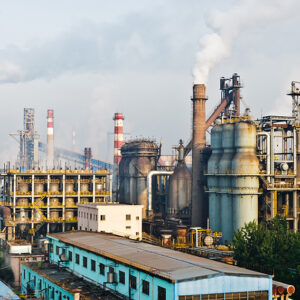
Climate change poses one of the greatest systemic risks to global economic stability. Industries, as both major contributors to and recipients of climate-related impacts, sit at the heart of this challenge. Industrial activities account for a significant share of greenhouse gas (GHG) emissions, while simultaneously being vulnerable to climate-related disruptions such as extreme weather, resource scarcity, and regulatory shifts. Climate…
Climate risk assessment is the process of identifying, evaluating, and understanding the potential impacts of climate change on people, assets, and ecosystems. Forecasting refers to the use of scientific models and data to predict future climate-related risks such as rising temperatures, sea levels, droughts, and extreme weather. Earth Observation (EO) from satellites Global Climate Models (GCMs) Downscaling tools for regional…
Natural and man-made disasters — such as earthquakes, floods, hurricanes, wildfires, pandemics, and industrial accidents — continue to threaten lives, disrupt economies, and damage infrastructure across the globe. In the face of climate change, rapid urbanization, and increased population density, the need for robust disaster preparedness and effective early warning systems has never been more urgent. Disaster preparedness and early…